
We back founders who set out to change how a whole industry works.
You may already know what to build, or you may still be looking. Either way, we look for founders who keep going, and who aim to change how an industry works over the next 20 years.
We decide fast (22 days median from first meeting to term sheet), and if we say no, we tell you why.
BACKED BY BUILDERS FROM HUBSPOT, SHOPIFY, DROPBOX, VIMEO, BOLT, OPENAI, ZENDESK, SQUARE, REVOLUT, VINTED, NORDVPN, DEEL, TWILIO, VERIFF AND WISE.
Four things we look for.
We are flexible on almost everything else, but not on these four. They are what makes a company last.
Something you know that the market does not see yet, often from before you started the company. You should be able to say which part of it most people think is wrong.
You aim to change how a whole industry works, even if you start small. Stripe started with seven lines of code to take a payment. Where you start is not where you stop.
A few large labs already own the AI models themselves. Products built on top of those models have barely started, and that is where we invest. We invest in software only.
You use AI agents in daily work and learn in days, not months. After the belief, what matters most is how many real ideas you test each week.
The belief does not need to be complete on day one. It can get clearer as you work on the problem: Twitter started inside a podcasting company. But it must be your own, and it must be bold. Change the product as often as you need. Keep the belief.
Send the deck as it is.
You do not need to polish it or write a cover note. The same team reads every deck, and you get a yes or no in five business days, with the reason.
NOT READY TO PITCH YET?
PRESSURE-TEST YOUR PITCH INSTEAD
Upload your deck and our tool reviews it the way our deal leads would. It is built on the hundreds of companies they backed and the thousands they turned down.
The best go-to-market operators alive, inside your company.
Once you know what to build, speed matters most. So we put an operator inside your company who has already run your function (outbound sales, product-led growth or marketing-led growth) at Zendesk, Square, Scale AI or OutSystems. Every company we fund gets the same operators on a regular schedule, not a single introduction.
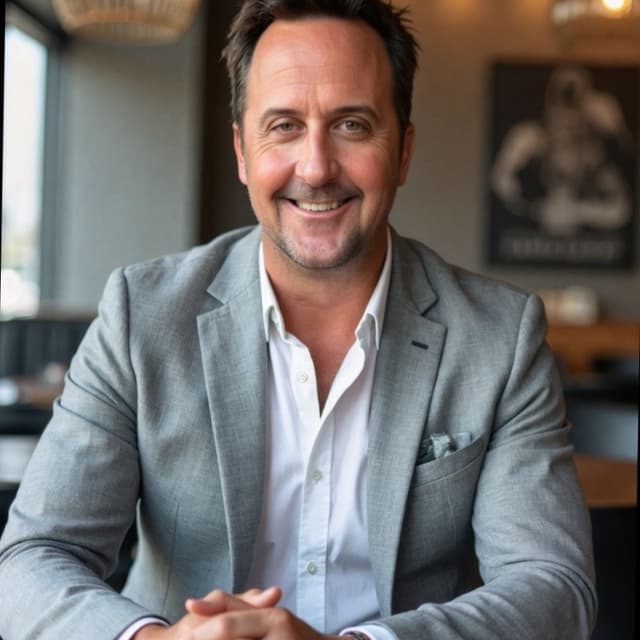
Built Zendesk's SMB-to-enterprise motion from scratch, through IPO and a $10.2B acquisition. Then led sales at Xero and Prezi.
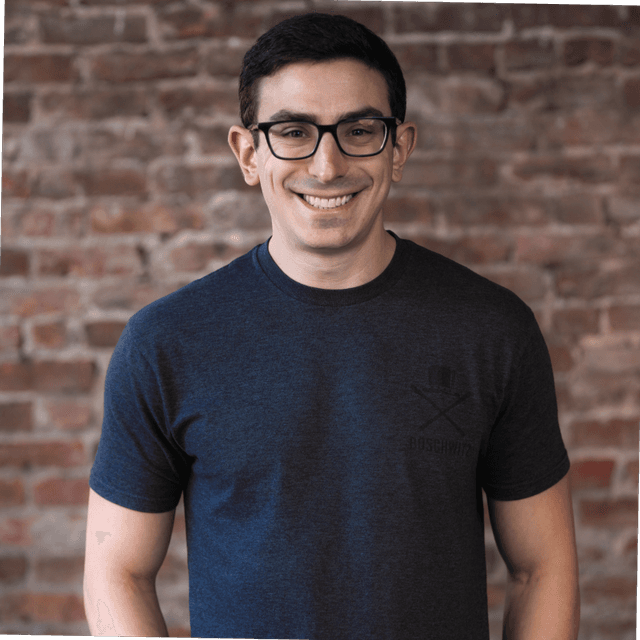
Square's first sales hire. Built the sales org from one person to 200, then founded and sold his own company, Ramped.

Former Head of Growth at Scale AI. At Braid, zero to $1M monthly volume while cutting acquisition cost from $200 to $40.
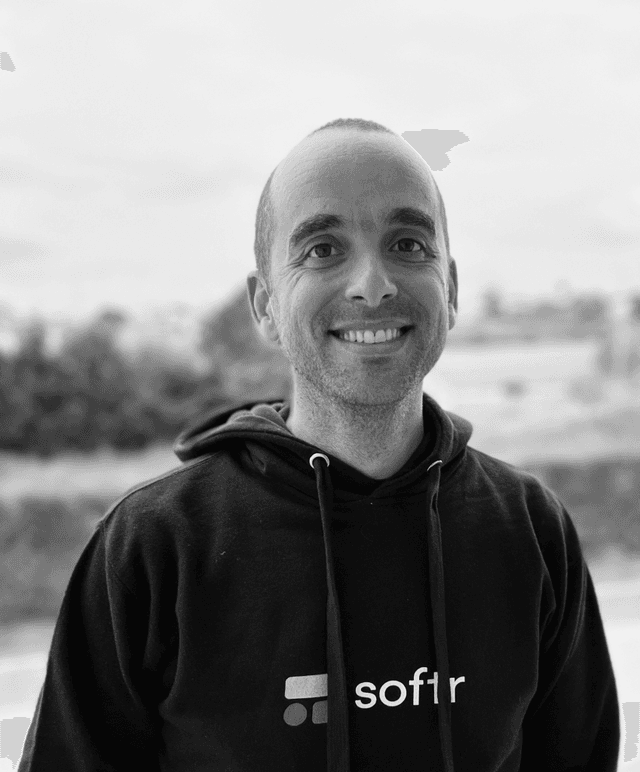
Built product-led growth from zero at OutSystems, then tripled ARR at Softr in one year.
Build something that matters. Then put everything you have into it.
Building software is cheaper and faster than ever. Building a company that lasts and wins its market is harder than ever. When building costs almost nothing, it no longer sets you apart. Two things still do: a strong belief in a problem worth years of your life, and how fast you learn.
You cannot borrow a belief. We all use the same AI models now, trained on the same data. Ask one what to believe and it gives you the average answer, the same one everyone else gets. AI can help you test a belief. It cannot give you one.
Good founders still fail at seed. It is rarely the belief or the product. It is go-to-market: which experiments they run, and in what order. That is where we put all our effort: the best go-to-market operators in the world work on your problem. They turn what you know about your customer into the right experiments, in the right order, in days instead of months. You bring the belief. Find the one thing you have to build, and go after it as hard as you can.
Read our articles.
ALL ARTICLES →Each article covers one go-to-market problem from our portfolio and how we worked through it. Each comes with a tool you can use on your own numbers.